
Polish Cuisine: A Culinary Journey Through Pierogi and Bigos
Discover Polish cuisine with pierogi, bigos and other classics. An overview of traditions, typical dishes and their distinctive flavours.
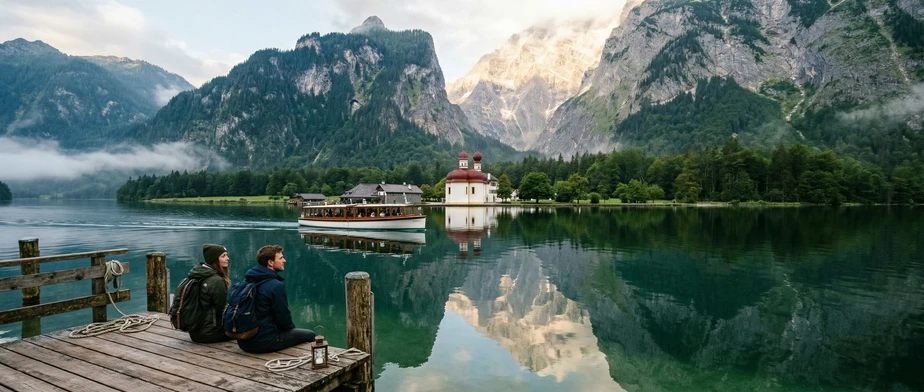
Polish cuisine is down to earth, diverse and full of character. It is shaped by family recipes, regional influences and dishes that get plenty of flavour from simple ingredients. Anyone who wants to explore Poland through its food will soon come across classics such as pierogi and bigos. Yet the country’s cooking goes far beyond familiar comfort food. It combines tradition with seasonality and shows how much can be done with honest, straightforward ingredients.
Pierogi: the best known classic
Pierogi are famous far beyond Poland and are often people’s first contact with Polish cuisine. These filled dumplings come in many variations. Savoury fillings with potatoes, quark, mushrooms or cabbage are especially popular. Sweet versions are also common, for example with fruit.
This variety is what makes pierogi so distinctive. They work just as well for everyday meals as they do for festive occasions. They also reveal how strongly Polish cuisine is shaped by regional traditions and family recipes. Hardly any other dish allows for such a personal touch.
Bigos: hearty, full flavoured, traditional
Bigos is one of Poland’s most characteristic dishes. This stew is usually prepared with sauerkraut, fresh cabbage and meat and is known for its rich, hearty taste. Many people appreciate it even more because the flavours deepen when it is left to rest for longer.
The dish is a prime example of the rustic side of Polish cooking. It is warming, filling and especially well suited to the colder months. At the same time, bigos shows how traditional recipes can turn simple ingredients into something special.
More than just famous national dishes
Anyone who looks more closely at Polish cuisine soon realises how varied it really is. Soups have a permanent place on the menu in many households. Potato dishes, cabbage, mushrooms and various dough-based specialties are also typical components.
What stands out is the mix of hearty flavours, fresh elements and a strong focus on seasonal produce. In summer, lighter meals and fresh ingredients play a bigger role. In the colder months, warming and substantial dishes tend to dominate.
What makes Polish cuisine so popular
- Tradition: Many dishes have been passed down through generations.
- Diversity: The range spans from hearty and savoury to sweet.
- Everyday practicality: Many recipes are straightforward and satisfying.
- Regional character: Focus and ingredients vary from region to region.
Enjoyment as part of the travel experience
Anyone spending a holiday in Poland discovers the country not only through its cities and landscapes, but also through its food. Local dishes create a sense of closeness to the culture and often make trips especially memorable. This can be experienced particularly well in a holiday home: buying regional produce, trying simple specialties and getting to know the country’s cuisine at your own pace.
Polish cuisine does not need to be complicated to be convincing. Its appeal lies in its honesty. It is robust, often pleasantly unpretentious and deeply rooted in tradition. Pierogi, bigos and many other specialties show how rewarding a culinary journey through Poland can be.
More articles
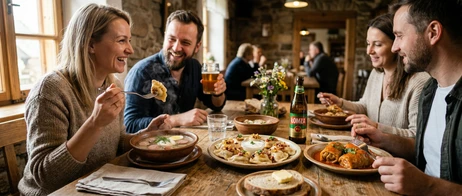
Consciously Enjoy Regional Specialities in Poland
Discover regional specialities in Poland and see how local cuisine, traditional dishes and fresh produce can enrich every trip.
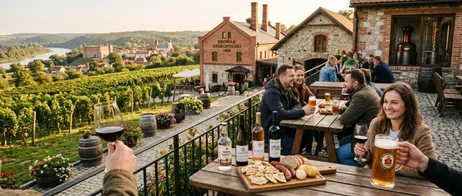
Discover Breweries, Wineries and Distilleries in Poland
Poland delights visitors with wineries, distilleries, regional specialties, brewing traditions and gourmet trips full of culinary discoveries.
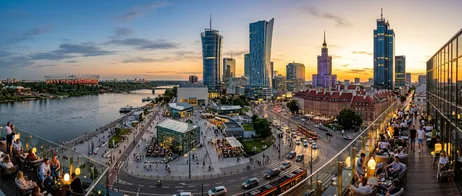
Modern Architecture and Design Hotspots in Poland
Poland inspires with design hotspots, modern architecture, innovative museums and urban culture in cities like Warsaw and Krakow.
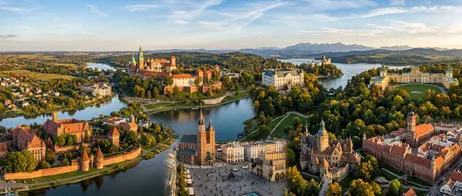
Discover Castles, Palaces and Historic Architecture in Poland
Poland captivates visitors with castles, palaces, historic old towns and impressive architecture rich in history and culture.
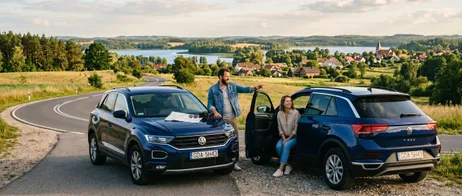
Road Trip Through Poland: The Most Beautiful Routes for Your Journey
A road trip through Poland enchants with Baltic Sea coast, Tatra Mountains, historic cities and nature experiences along scenic routes.
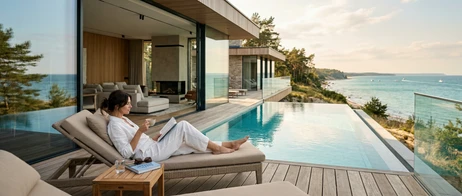
Experience a holiday home with design, panoramic views and exclusivity
What really matters in a holiday home with design, panoramic views and exclusivity – and which criteria are key when choosing the right place.
